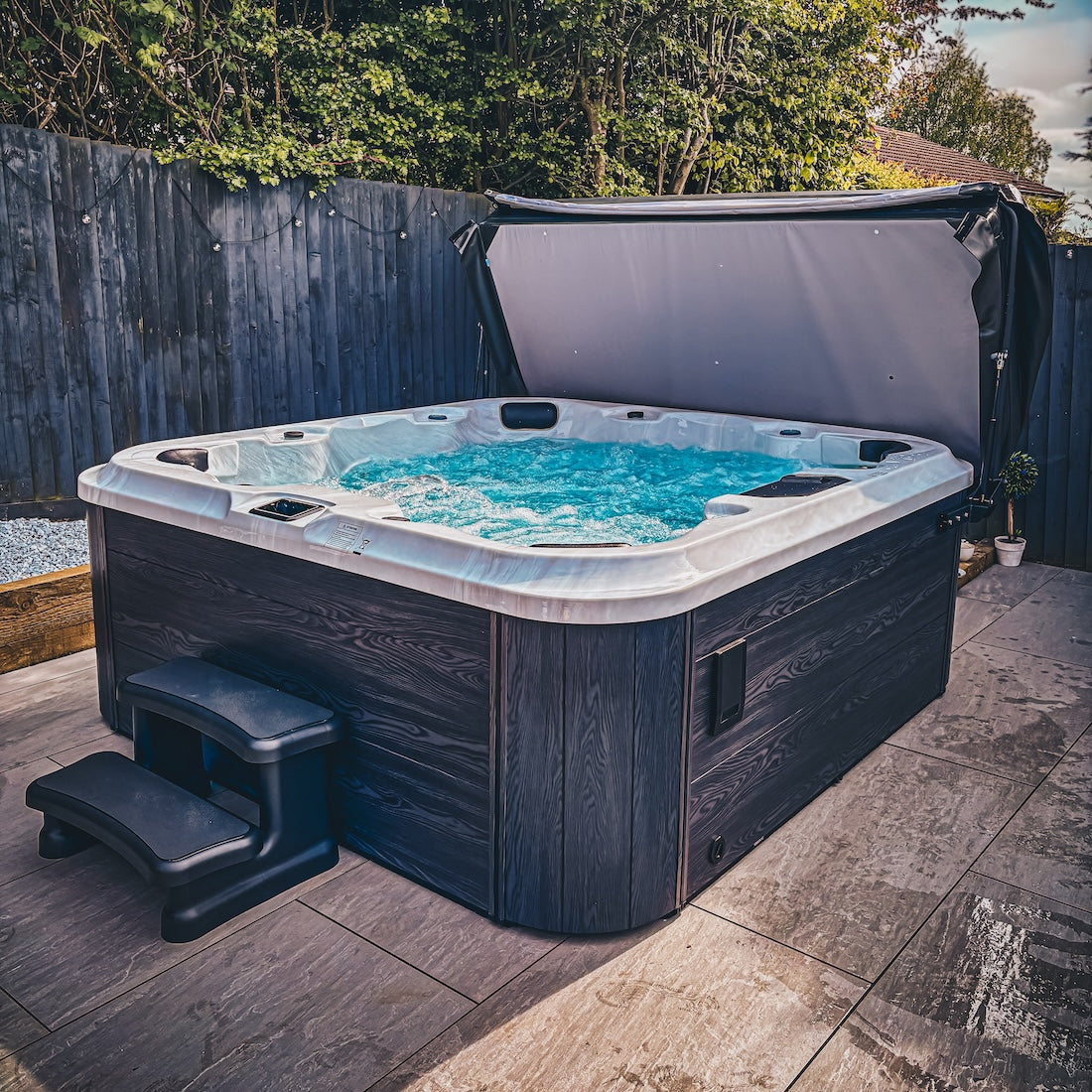

A swim spa is a bit like the best parts of a pool and a hot tub, rolled into one. You can swim. You can soak. You can finish the day feeling like you’ve had a mini break in your own garden.
Then the sensible question pops up… “Do we need planning permission for this?”
Let’s make it simple, without missing the important bits.
Quick answer: usually no, but there are a few big “it depends”
For many UK homes, putting a swim spa in the back garden won’t need a planning application, because it can fall under permitted development as something that’s incidental to enjoying your home. The Planning Portal also notes that outdoor swimming pools often won’t need planning permission (with common exceptions). You can read their guidance here: Planning Portal’s outdoor swimming pool planning guidance.
That said, planning rules aren’t one-size-fits-all. A few common factors can flip the answer from “no” to “yes”.
Why swim spas often count as permitted development (England and Wales)
In England (and in broadly similar form in Wales), permitted development rights can apply to works within the curtilage of a house, including leisure features that are for normal domestic enjoyment. The government’s technical guidance on householder permitted development is a useful reference point: Permitted development rights for householders (technical guidance).
A swim spa isn’t always called a “pool” in everyday chat, but from a planning point of view it can look very similar: a large water container used for leisure at home. So in lots of typical installs, the swim spa itself is not the planning problem.
Where people get caught out is everything around it.

When planning permission (or another type of consent) is more likely
Here are the situations where you should slow down and check properly.
1) You live in a flat or maisonette
Permitted development rights that apply to houses generally don’t apply to flats and maisonettes. The Planning Portal explains this clearly in their overview of permitted development: What are permitted development rights?
2) The property is listed (or within the curtilage of a listed building)
If your home is listed (or the works affect a listed building’s setting/curtilage), you may need listed building consent and/or planning permission. Planning Portal’s outbuildings guidance highlights how permissions can differ for listed buildings: Planning rules for outbuildings.
3) You’re on “designated land”
This includes places like conservation areas, national parks, Areas of Outstanding Natural Beauty, the Broads, and World Heritage Sites. Extra limits can apply. Again, Planning Portal’s guide to outbuildings and restrictions is a solid starting point: Designated land and outbuildings rules.
4) You’re placing it in front of the house
Permitted development is much stricter at the front. Many structures and platforms aren’t allowed forward of the principal elevation. If your swim spa is going anywhere near the front garden, it’s worth checking early via: Planning Portal permitted development overview.
5) You’re building a raised platform or big deck for it
This is a big one.
Decking and raised platforms can be permitted development only if they stay within specific limits. One key rule: decking should typically be no more than 30cm above the ground (plus other conditions). Here’s the Planning Portal page that explains the limits: Do you need planning permission for decking?
Swim spas often need a solid, level base. That’s normal. The potential planning issue starts when the base becomes a high platform, especially on sloping gardens.
6) You’re adding a structure around it (pergola, canopy, “spa room”, privacy screening)
The moment you add a tall shelter, enclosure, or privacy structure, you move into outbuilding territory and height/boundary rules can bite. Planning Portal outlines common height limits (including restrictions near boundaries) here: Outbuildings planning permission rules.
7) Your permitted development rights have been removed
Some homes have permitted development rights restricted by an Article 4 direction or conditions on earlier planning approvals. Planning Portal flags that this can remove your usual rights: How permitted development rights can be restricted.
8) It’s not purely domestic use
If the swim spa is for a business, a holiday let, or frequent paid use, planning considerations can change because it may no longer be “incidental” to home enjoyment.
Scotland and Northern Ireland: the rules can differ
If you’re in Scotland, it’s worth checking Scotland-specific guidance on permitted development: mygov.scot: permitted development works.
Northern Ireland has its own planning system. NI Direct’s guide is a helpful starting point (and encourages speaking to your local council): NI Direct: planning permission — when to apply.

Planning is one thing… then there’s electrics, noise, and drainage
Even if planning permission isn’t needed, a swim spa install still needs to be safe and neighbour-friendly.
Electrics (do this properly)
Fixed electrical work in dwellings is covered by Building Regulations Part P. Government guidance is here: Approved Document P: Electrical safety.
Noise and neighbours
Pumps, covers, and a bit of Friday-night laughter… it’s all part of the fun. But if noise becomes unreasonable, councils can investigate complaints that may amount to a statutory nuisance: How councils deal with noise nuisances.
Water changes and drainage
Swim spas hold a lot of water. Where that water goes matters, especially if it’s treated. Local guidance can vary, so it’s sensible to think about this upfront.
The simple pre-check checklist (5 minutes that can save a headache)
- Is your home a house (not a flat/maisonette)? Check: Permitted development rights overview
- Is it listed, or in a conservation area / national park / AONB etc? Check: Outbuildings and designated land guidance
- Will it sit behind the front wall of the house (not in the front garden)? Check: Permitted development rights
- Will any decking/platform stay under 30cm high? Check: Decking planning rules
- Are you adding a tall shelter or enclosure near a boundary? Check: Outbuildings rules
- Could an Article 4 direction or old planning condition restrict you? Check: Restrictions on permitted development
If you want extra peace of mind (especially if you might sell later), you can apply for a Lawful Development Certificate: Lawful development certificates guidance.
Browse swim spas
If you’re still at the browsing stage, you can explore our range here: Swim Spas.
It’s the easiest way to compare styles, sizes, and layouts — then you can chat through siting, base prep, and installation considerations.
FAQ
Do I need planning permission if my swim spa is above ground?
Often no, if it meets permitted development rules and stays within the usual limits for your property. Raised platforms and structures are the common triggers, not the fact it sits above ground. See: Planning Portal decking guidance.
What if I’m in a conservation area?
You can still have permitted development rights in many cases, but extra restrictions can apply on designated land. Start here: Outbuildings and designated land rules.
Should I tell my neighbours?
You don’t usually have to, but it’s often the easiest win. A quick heads-up, sensible placement, and considerate running times go a long way. For context on complaints, see: Council noise nuisance process.
Final thoughts + next steps
Most of the time, you won’t need planning permission for a swim spa at a typical UK house, placed in the back garden, at ground level, with no oversized platform or tall enclosure. The common pitfalls are nearly always the extras: raised decking, big structures, designated land restrictions, or removed permitted development rights.
If you’d like a quick sanity-check on your plan, speak to one of our Swim Spa Specialists. Tell us your postcode, where you want it to sit, and whether you’re considering decking or a shelter - and we’ll help you map out the best next step.
And when you’re ready to compare options, start here: View our Swim Spas.