

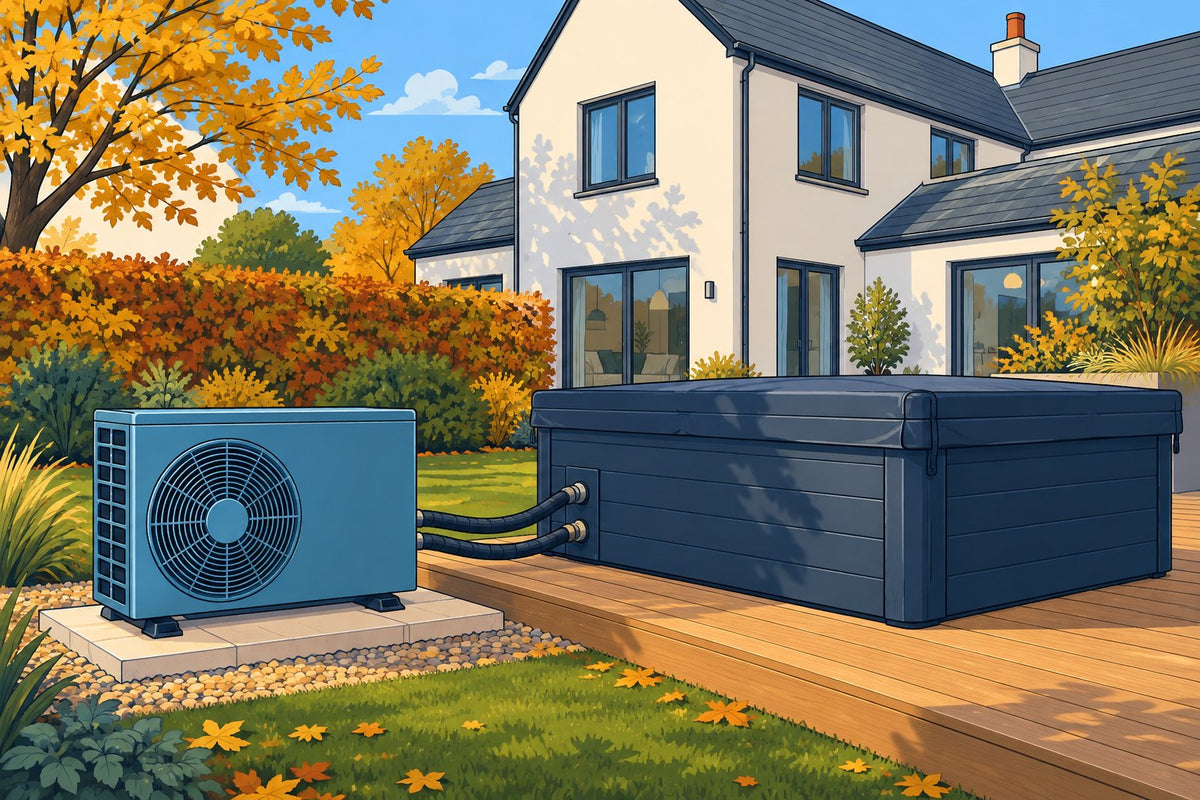
A hot tub heat pump is a smart upgrade for many owners who want to enjoy warm water with lower heating costs. It uses heat from the outdoor air to help keep your spa at the temperature you enjoy, while using less electricity for heating than a conventional electric heater when operating efficiently.
For a hot tub that's part of your weekly routine, that can make a real difference over time. You still get the same warm soak, comfortable seats and massage jets. You're simply heating the water in a more efficient way.
The key is choosing a suitable unit and having it fitted properly. Here’s how the benefits work, what to expect in British weather and how to decide whether one suits your spa.
Are hot tub heat pumps worth it? For many regular owners, yes
A compatible, professionally installed heat pump can be an excellent addition to a hot tub you keep warm and use regularly. It can reduce heating electricity, support everyday use and help you get more from a well-insulated spa.
The main attraction is simple: the heat pump supplies warmth more efficiently. That matters each time the spa replaces heat lost through normal use, overnight or after a water change.
It works particularly well as part of a thoughtful setup: a sound cover, good insulation and equipment matched to your tub. Your retailer or installer can check those details and explain the likely savings before you go ahead.
How does a hot tub heat pump work?
An air-source heat pump collects heat from outdoor air and transfers it to water passing through a heat exchanger. Electricity runs the fan and compressor, allowing the system to move that heat into your spa.
A conventional electric resistance heater turns electricity directly into heat. A heat pump moves heat already present in the air, so it can deliver more heat energy than the electricity it consumes.
That is the reason for its efficiency. Even cool air contains heat that a suitable unit can collect.
The external unit connects to your spa’s water circuit. Once fitted and commissioned, its approved controls manage heating. Depending on the system, the original heater may remain available for backup or extra heating when needed.
Your jets, seating and normal water-care routine stay part of the hot tub experience. The upgrade focuses on how the water is heated.
Understanding COP makes the benefits clearer
COP stands for coefficient of performance. It compares heat delivered with electricity used. A COP of 3 means the heat pump delivers three units of heat for each unit of electricity it consumes under those conditions.
It’s a useful way to understand why the technology can reduce heating costs. It also helps you compare equipment when you know the air temperature, water temperature and operating conditions behind the figure.
The Energy Saving Trust explains how air and delivery temperatures affect performance. Its guide concerns building heating, but the basic relationship also applies to heating spa water.
For your hot tub, ask for performance data at spa water temperatures and relevant outdoor conditions. Your installer can use that information to recommend a suitable unit, rather than relying on the highest warm-weather figure.
Heating output and electrical input are different figures. A unit’s advertised heat output is not necessarily the amount of electricity it draws. Seeing both makes the efficiency easier to understand.
How a heat pump can lower your running costs
A heat pump targets the electricity used for heating. If your spa needs a given amount of heat, an efficient heat pump can supply it using less electricity than the resistance heater.
That leaves the other parts of the bill, such as filtration and massage pumps, to account for separately. Knowing the distinction gives you a clear picture of the benefit: lower heating consumption can reduce the overall bill, but the percentage reduction in heating is not automatically the percentage reduction for the whole spa.
Our hot tub running-cost guide explains the wider factors, including insulation, temperature and the way you use the tub.
A simple heating example
Imagine the spa needs 12 kWh of heat over a chosen period. Using an assumed COP of 3 illustrates how the maths works. These are hypothetical inputs, not a typical daily requirement or a prediction for a particular unit.
| Heating method | Electricity for 12 kWh of heat |
|---|---|
| Resistance heater, assuming near one-for-one conversion | About 12 kWh |
| Heat pump at an assumed COP of 3 | 12 ÷ 3 = 4 kWh |
| Heating electricity saved in this example | About 8 kWh |
Multiply the electricity saved by your own tariff in pounds per kWh to find the heating-cost saving. For a complete estimate, include any added circulation, backup heating and maintenance costs.
Actual results vary with the weather, water temperature and installation. The useful point is that a heat pump can provide the warmth you need with less heating electricity.

Professional fitting makes the upgrade straightforward
For a suitable spa, fitting a heat pump is a planned upgrade that an experienced installer can handle. They assess the water circuit, choose the right connections and confirm how the heating controls will work.
Heat-pump-ready spas can make the process simpler. Many existing hot tubs can also be assessed for a retrofit. Share the model, control-system details, electrical supply and a few photos of the intended position so the installer can advise you.
Water flow and electrical load are normal parts of that assessment. Some systems use a dedicated interface; others have their own controls. Your installer checks the approved arrangement and any warranty requirements before fitting.
Both 13A and 32A spas may be suitable, depending on the equipment and combined load. Our 13A vs 32A guide explains the supply difference. The actual installation should be confirmed by a competent professional.
The handover should show you how to use the controls and look after the system. Professional fitting means the technical details are handled as part of the job, leaving you with a clear routine.
Choosing a heat pump for British winter use
A suitable cold-weather spa heat pump can keep contributing useful heat through the colder months. If you enjoy winter soaking, tell your installer so they can choose equipment for that use.
Look at its operating range and available heating output at colder air temperatures with spa-temperature water. Efficiency and output change with conditions, so the right choice is based on the weather it will actually work in.
Some units use automatic defrost cycles to clear frost from the outdoor coil. That is a normal feature of suitable cold-weather equipment. Where the approved setup retains the original heater, it can provide extra support when required.
Your installer should also explain the frost-protection arrangements for external pipework and what to do during an extended shutdown or power loss. These are practical handover details, much like learning your spa’s own winter settings.
The aim is a system suited to your year-round routine, with realistic performance expectations and dependable heating.
A good garden position helps it perform well
The external unit needs a firm support, clear airflow and service access. With its specified clearances allowed for, it can sit neatly alongside your hot tub setup.
Your installer can plan sensible pipe runs, suitable insulation and a route for condensation or defrost water to drain. Keeping the air intake and outlet clear helps the unit collect heat effectively.
Choose the position with bedroom windows and neighbouring gardens in mind. The fan and compressor produce sound, so siting is part of a comfortable installation. Compare noise figures at the same measurement distance and operating conditions. Our hot tub noise guide explains the wider considerations.

Good insulation makes the benefits go further
A well-insulated hot tub and a heat pump make a useful partnership. The heat pump supplies warmth efficiently, while the insulation and fitted cover help keep it in the water.
BISHTA’s energy-efficiency guidance highlights how cover fit, insulation, water volume, temperature and use affect running costs.
Keep the cover secure when the tub is idle, clean the filters and follow the equipment maintenance schedules. Clear leaves from around the external unit without reaching through its grille.
If the cover is waterlogged or no longer seals properly, include that in your improvement plan. Retaining warmth helps you get the most from whichever heating system you use.
The installed cost and long-term value
Ask for a complete installed quote so you can judge the upgrade fairly. It should cover the unit, plumbing, insulated pipework, controls, mounting, commissioning and any electrical work required.
If a unit is included with a new spa, check whether fitting is included too. A clear quote makes it easy to compare the complete packages.
Simple payback is the extra installed cost divided by expected annual net savings. For example, a hypothetical £1,200 installation saving £300 a year has a simple four-year payback. Those are illustration figures, not H2O prices or a forecast.
Use an estimate that reflects your usage and weather, with added running and maintenance costs included. Finance costs, repairs and changing tariffs can also affect long-term value.
Regular owners who plan to keep their spa for years have more opportunity to benefit. For occasional seasonal use or a tub nearing replacement, the calculation may favour waiting. Matching the upgrade to your plans is what makes it a smart purchase.
Hot tub heat pump questions
Will a heat pump heat my hot tub faster?
It can, if its available heat output exceeds your existing heater’s under the relevant conditions. Water volume, heat loss, flow and any approved combined heating affect the time.
Does the original heater stay in place?
It may remain as backup or extra heating, depending on the approved setup. The installer should explain when each heater runs and how the controls manage them.
Can you use cheaper electricity periods?
Suitable scheduling can help. Your installer can explain approved settings that suit your tariff and bathing times while keeping filtration and freeze protection working properly.
Does a heat pump change water care?
The familiar routine continues: test, sanitise and clean as directed for your spa. The heat pump improves heating rather than treating the water.
Are hot tub heat pumps worth it? A smart upgrade for suitable spas
For many homeowners who use their hot tub regularly, a heat pump is an excellent way to make heating more efficient. You keep the comfort and enjoyment of your spa, with the potential for meaningful reductions in heating costs over time.
Choose equipment suited to your tub and weather, have it professionally fitted and pair it with good insulation and a sound cover. That gives the technology a solid basis to deliver its benefits.
Speak to the H2O Hot Tubs team about your spa, garden and usage. We can help you understand suitability and the next steps towards more efficient everyday warmth and you can enjoy one of our hot tubs with heat pumps soon!

Share: