

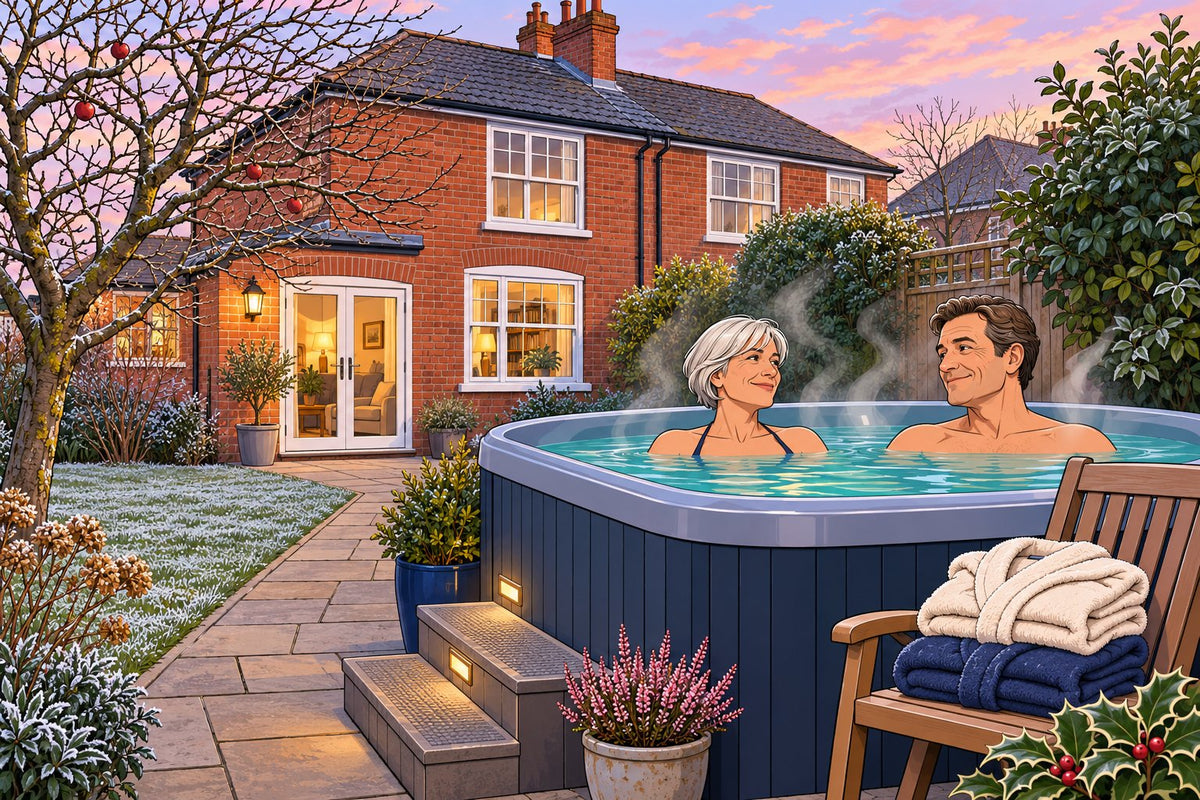
A crisp evening, warm water and nowhere else you need to be. Using your hot tub in winter can be one of the best parts of owning it. Your garden becomes somewhere to enjoy after dark, rather than somewhere you only see through the kitchen window.
A suitable outdoor spa is built to be used through the seasons. A few simple habits help it hold its heat, keep the water in good condition and make the trip between the back door and the steps much more pleasant.
Here’s how to enjoy winter soaking, manage running costs and decide between keeping your spa ready and having it properly shut down.
Can you use a hot tub in winter?
Yes, provided your model is suitable for the conditions and is installed, maintained and used according to its manual. A well-insulated hard-shell hot tub with a fitted cover can be a lovely year-round garden feature.
The water feels especially welcoming when the air is cold. You don’t need to turn a soak into an expedition, either. Keep your robe close, light the route and have everything ready before you lift the cover.
Model limits matter. Inflatable spas, external heat pumps and other equipment can have their own cold-weather requirements. Check those instructions rather than assuming every type of hot tub works in the same way.
Should you leave your hot tub on during winter?
If you're continuing to use it, normally yes. Leave the spa powered and use its approved heating, filtration and frost-protection settings. The controls need power, adequate water and working equipment to do their job.
You don’t need to run the massage jets all day. Circulation and filtration follow the spa’s own programme, which is different from switching the jets on for a soak.
For regular use, keeping the tub ready is convenient. Choose settings around your routine and allow time for reheating if you lower the temperature between sessions. Avoid treating a large daily temperature drop as a guaranteed saving. Your schedule, tariff, weather and heat loss all affect the result.
If you're taking a long break, the alternative is full winterisation. Switching off a water-filled spa, or draining only the visible water, doesn't prepare it for frost.
Get the basics ready before the coldest weather
Check the cover and its fit
Your insulated cover helps retain warmth between soaks. Check that it sits properly around the rim, with no obvious lifting, splits or damage at the hinge. Secure the fastenings as directed, particularly before windy weather.
If lifting it has become a struggle, investigate rather than forcing it. A heavy, sagging cover may need attention. Our guide to waterlogged hot tub covers explains what to look for.
Remove accumulated snow carefully with a soft tool if the manufacturer permits it. Don't stand on the cover, scrape it with a shovel or force frozen clips. Follow its care instructions if it freezes in place.
Start with clean filters and healthy water
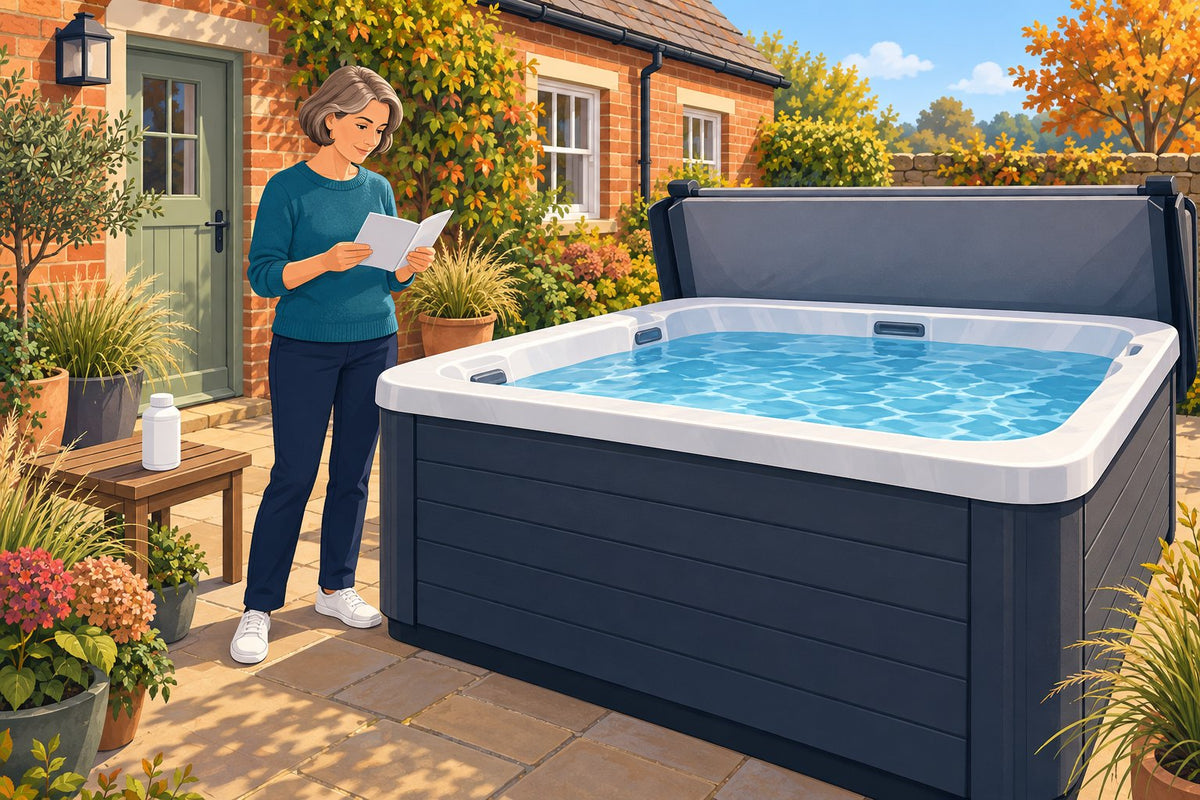
Cold weather doesn't replace water care. Keep checking sanitiser and pH according to your treatment routine, including testing before bathing. Clear-looking water still needs testing. BISHTA’s water-treatment guidance explains the essentials for domestic spas.
Clean the filter as directed and inspect its condition. Good flow helps the spa circulate water properly. Keep leaves and loose garden debris away from the water and accessible intake areas.
If a water change is due, plan it for a mild spell when you can complete the clean, refill and restart without delay. Our water-change guide covers the full process. Don't keep unsuitable water simply to avoid a winter refill. Ask for help if the weather makes the work difficult.
Make the route easy
A short, well-lit route makes spontaneous evening use much more inviting. Check that steps are stable and the surface offers suitable grip. Clear ice before you head outside, and keep meltwater from pooling where you walk.
Have a towel, robe and suitable footwear ready. Put them somewhere dry within easy reach of the exit. You’ll appreciate that small bit of planning when you get out.

What temperature should a hot tub be in winter?
Use a comfortable temperature within your spa’s instructions and any advice relevant to your health. Cold air isn't a reason to exceed the recommended water temperature or stay in longer than you normally would.
Check the water before entering. Ease in, take breaks and get out if you feel too hot, light-headed or unwell. Keep drinking water available in an unbreakable container and avoid alcohol before or during bathing.
Children and people with health conditions need separate guidance. Don't assume that a temperature or session length suited to one adult is appropriate for everyone. Follow medical advice where relevant.
The simplest comfort upgrade often happens outside the water. Shelter from the wind, a dry robe and an easy journey indoors can make more difference than turning the temperature up.
How to keep winter running costs sensible
Colder air increases the temperature difference between the water and its surroundings, so the spa may need more heating than it does in summer. The amount depends on insulation, cover fit, wind exposure, water temperature and how you use it.
Start with retaining warmth. Open the cover when you're ready to get in and replace it promptly afterwards. Close air controls after use where the manual recommends it. Keep service panels properly fitted and use only insulation or accessories approved for your spa. BISHTA’s energy-efficiency advice also highlights the value of insulation, covers and sensible operation.
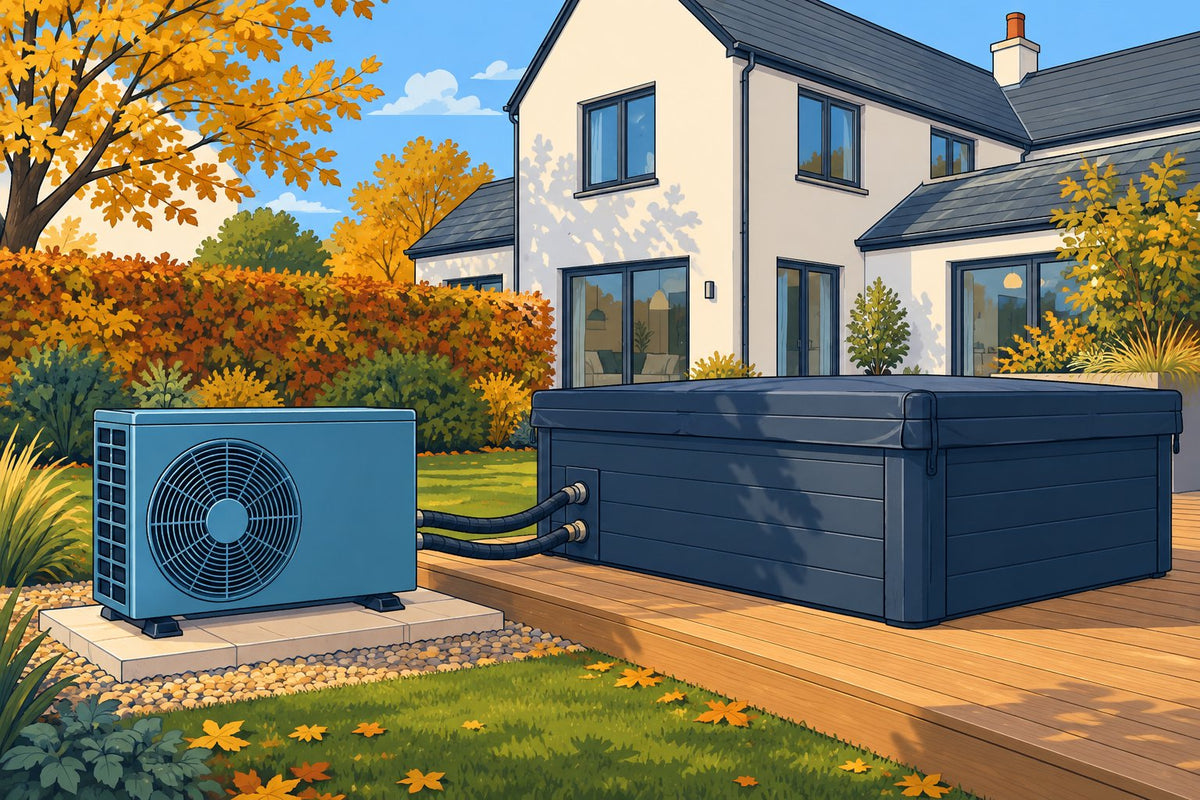
A suitable windbreak can make the bathing area more comfortable. Leave the required access and ventilation around the spa and any external equipment. A heat pump needs clear airflow, even when you're trying to shelter the seating area.
Check your electricity tariff and approved control settings. A compatible heat pump may reduce heating electricity, but its winter output and operating range should suit the installation. Keep any required backup heating and frost protection available.
Our hot tub running-cost guide explains the bigger picture. There isn't one reliable daily winter cost that applies to every spa and garden.
Small checks that keep winter use straightforward
Keep an eye on the display, water temperature and water level, even during weeks when you use the tub less. A secured cover can hide a falling level or a fault that needs attention.
Maintain the level specified in your manual. If it drops unusually quickly, investigate the cause. Top up using the approved method and check the water balance afterwards.
After strong winds, check the cover and surrounding area. Make sure nothing has obstructed equipment airflow or access. If your spa has an app, alerts can be useful, but they don't replace someone checking it in person.
Going away? Arrange a capable person to check it and follow your spa’s absence guidance. Give them the water-care routine, the contact number for support and clear instructions about when to call.
What if the power goes off or the spa stops heating?
Keep the cover closed to conserve warmth and contact your supplier promptly if freezing weather is expected or the interruption may last. The right response depends on the temperature, the equipment and how long the spa has been without heat.
There is no universal number of hours that a hot tub can safely sit without power. Insulation helps retain warmth, but it doesn't provide unlimited protection.
Don't repeatedly reset a tripping electrical supply. Avoid opening electrical equipment, adding boiling water or improvising heaters inside the cabinet. If you suspect any part of the system has frozen, get professional advice before restarting pumps.
Once power returns, check the display, circulation and heating according to the manual. Test the water and confirm normal operation before bathing again.
Not using it this winter? Choose a proper shutdown
Keeping your spa ready and having it winterised are both valid choices. The important distinction is that winterisation deals with water left inside the equipment and plumbing, not only the water you can see in the shell.
A professional can carry out the shutdown appropriate to your model, including any external heat pump circuit. This is particularly useful if you don't know the equipment layout or cannot access every part required by the instructions.
Follow the manufacturer's complete procedure if you're handling it yourself. Generic instructions to loosen fittings, run a blower for a fixed time or blow through jets aren't suitable for every spa. Don't use automotive antifreeze or an unapproved chemical.
Have the work completed before freezing conditions arrive. Keep the empty spa protected as instructed, and plan a proper recommissioning before using it again.

Winter hot tub questions
Can you use a hot tub when it’s snowing?
Light snow can be part of the winter experience if your model is suitable and access is safe. Stay indoors during lightning, dangerous winds or conditions that make getting in and out unsafe.
Do you still need chemicals in winter?
Yes. Warm spa water still needs its normal sanitiser, testing and cleaning routine. Fewer baths may change demand, so dose from the test results and treatment instructions.
Will frost protection work if the spa is switched off?
No. Powered controls and pumps cannot operate without electricity. Follow the manual and arrange a full winter shutdown if the spa will be left out of service.
Can you drain and refill during winter?
Yes, when conditions allow you to complete the process safely. Choose a mild spell, plan drainage and allow enough time to refill and restore circulation and heat. Seek advice before starting in freezing conditions.
Using your hot tub in winter should feel like a treat
A good cover, steady water care and a clear route to the steps make winter ownership easy to enjoy. Keep the spa operating as intended, check it regularly and let your equipment’s instructions guide the settings.
Then enjoy the part you bought it for. Warm water, fresh air and a little time away from the day. If you need help preparing your setup, speak to the H2O Hot Tubs team for advice suited to your spa.
Share: