

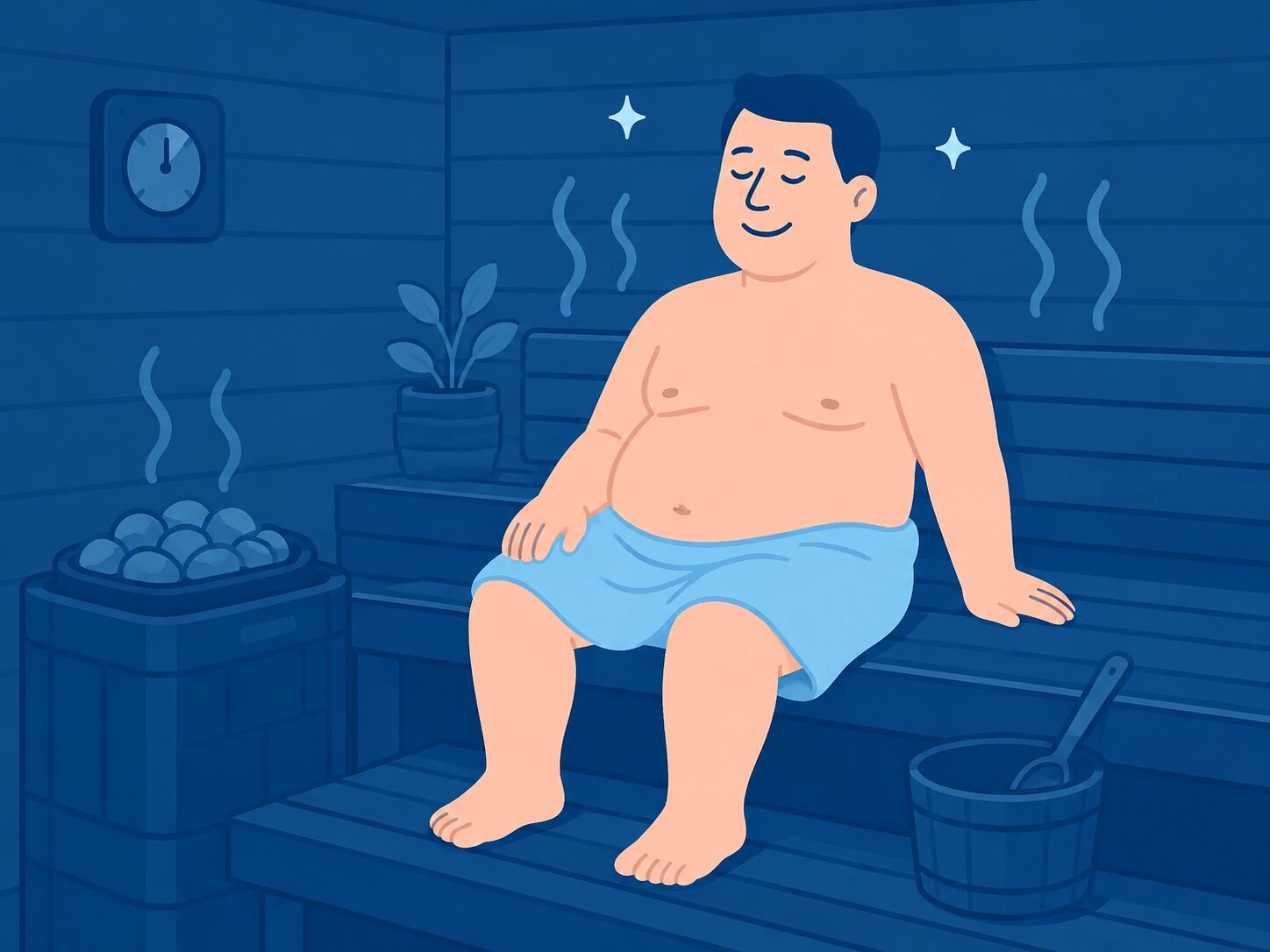
Do saunas help you lose weight? Yes... but not quite in the way people often hope.
After a sauna session, the number on the scales may dip. That can feel exciting. It can also feel like proof that something big has happened. In reality, most of that quick drop is water weight lost through sweating, not body fat. Once you drink water and rehydrate, that weight usually comes back. Cleveland Clinic makes a similar point, noting that any short-term change is mainly linked to sweat and fluid loss, while the evidence for real weight loss is not clear.
That doesn’t mean saunas are pointless for your health. Far from it. A good sauna session can feel calm, warming and properly restorative. It may help you relax, unwind after exercise, and build a more enjoyable wellness routine. It’s just not a magic fat-burning room.
Let us explain.

The quick answer - it’s mostly water, not fat
When you sit in a sauna, your body heats up. Your heart rate rises. Your blood vessels widen. You sweat because your body is trying to cool itself down.
That sweat is where the quick “weight loss” comes from.
Here’s the thing: losing sweat is not the same as losing fat. Fat loss happens when your body uses more energy than it takes in over time. That usually comes from a mix of food choices, movement, sleep, stress management and consistency. A sauna can sit nicely beside those habits, but it doesn’t replace them.
Think of it like taking a wet towel out of a gym bag. It weighs less once it dries, but the towel itself hasn’t really changed. Your body is a bit like that after a sauna. Lighter for a moment, yes. Leaner? Not from one session.

Why do the scales drop after a sauna?
The scales can drop because you’ve lost fluid.
Some people notice this after a longer or hotter session, especially if they weigh themselves straight after. But that lower number is not a reliable sign of fat loss. It’s a sign you need to drink. Simple as that.
Saunas can also raise your heart rate, which is why they can feel a little like gentle cardio while you’re sitting still. Harvard Health notes that heat exposure from saunas and hot baths may support heart health for some people, although caution is needed for anyone with low blood pressure or certain heart conditions.
So yes, your body is working in the heat. But no, that doesn’t make a sauna the same as a workout. You’re not building muscle. You’re not moving through a full range of motion. You’re not getting the same benefits as a brisk walk, a swim, a weights session or a muddy Sunday stroll with the dog.
A sauna is different. Lovely, but different.

Are saunas good for weight loss as part of a routine?
This is where the answer becomes more interesting.
Are saunas good for weight loss? Not directly. But they may support the kind of routine that makes healthy weight management feel easier.
That matters, because weight loss is rarely about one heroic change. It’s usually about a string of smaller habits that you can actually live with. Better sleep. Less stress. More movement. Recovery after exercise. Time away from your phone. A few quiet minutes where nobody is asking what’s for tea.
A sauna can help with the “feel good” side of wellness. And when a routine feels good, you’re more likely to stick with it.
For example, using a sauna after exercise might help you create a reward loop. You train, stretch, shower, then enjoy the slow, steady heat. The warm wood. The quiet. The sense that your body has earned a proper reset.
That’s not fat loss by itself.
But it can help you keep showing up.

What about calories - do saunas burn them?
Your body may use some energy while trying to cool itself in a sauna. Your heart rate can rise, your circulation changes, and your body works to maintain a safe temperature.
But the calorie burn is usually not the main event.
The bigger mistake is treating sauna time like a replacement for movement. It isn’t. A sauna won’t do the job of a balanced diet or regular exercise. What it can do is sit alongside those things as a recovery and relaxation tool.
Honestly, that’s still a strong role.
Not everything has to be about smashing a personal best or counting every calorie. Sometimes the health benefit is that you feel calmer, looser and more human again.
Other sauna health benefits worth knowing
Weight loss gets the clicks. We get it. But the wider health conversation around saunas is often more useful.
Research around saunas is still growing, and not every claim is nailed down. Mayo Clinic notes that studies have looked at sauna use for areas such as blood pressure, heart failure, arthritis, headache and type 2 diabetes, but also says larger and more exact studies are needed.
So we should be sensible. No wild promises. No miracle language.
Still, regular sauna bathing may offer several helpful wellness benefits:
- Relaxation: the heat, quiet and slower pace can help you switch off.
- Circulation support: heat causes blood vessels to widen, which can affect blood flow.
- Muscle recovery: many people enjoy sauna use after training, especially when muscles feel tight.
- Better wind-down time: a sauna session can become part of an evening routine.
- General heart health interest: population studies have linked regular sauna use with lower rates of heart disease, although researchers are still careful about cause and effect.
That last point is worth treating with care. A sauna is not a medical treatment. It’s not a cure. But it can be a pleasant part of looking after yourself, especially when used safely.
And let’s be honest, “looking after yourself” feels much easier when it includes warm, quiet time in the garden.

How to use a sauna safely
A sauna should feel warm, calming and controlled. It should not feel like a test of endurance.
Start gently. Keep sessions short at first, especially if you’re new to sauna use. Drink water before and after. Step out if you feel dizzy, faint, sick or uncomfortable.
The NHS lists symptoms of heat exhaustion as tiredness, dizziness, headache, feeling sick, heavy sweating, cramps, thirst and a high temperature. If symptoms appear, cool down and take them seriously.
A few simple sauna habits help:
- Drink water before and after your session.
- Avoid alcohol before sauna use.
- Leave if you feel light-headed.
- Cool down between sessions.
- Speak to a medical professional first if you have heart problems, uncontrolled blood pressure, are pregnant, or have any health concerns.
That’s not meant to scare you. It’s just sensible. Heat is powerful, and powerful things deserve a bit of respect.
So, should you buy a sauna for weight loss?
If your only goal is to lose fat, a sauna probably shouldn’t be your main tool.
A calorie-aware diet, regular movement, strength training, sleep and consistency will matter far more. That’s the plain answer.
But if you want something that supports relaxation, recovery and a better wellness rhythm at home, a sauna starts to make a lot more sense. It becomes less about chasing a lower number on the scales and more about how you feel in your body.
Warm. Calm. Reset.
That’s why many people look at outdoor saunas not as a quick fix, but as a long-term lifestyle upgrade. Somewhere to slow down after work. Somewhere to recover after a run. Somewhere to get a quiet few minutes while the garden steams gently around you.
A bit indulgent? Yes.
Useful? Also yes.
Are saunas good for weight loss? The honest conclusion
So, are saunas good for weight loss?
They can help you lose water weight in the short term, but they don’t directly burn body fat in a meaningful way. If the scales drop after a sauna, it’s usually because you’ve sweated and lost fluid. Once you rehydrate, that weight is likely to return.
But that doesn’t make saunas a gimmick.
Used well, a sauna can support relaxation, recovery, circulation, stress relief and a healthier routine. And sometimes that’s the real win. Not a shortcut. Not a miracle. Just a warm, steady ritual that helps you feel better, move better, and look after yourself more often.
Which, when you think about it, is a pretty good place to start.



Share: