

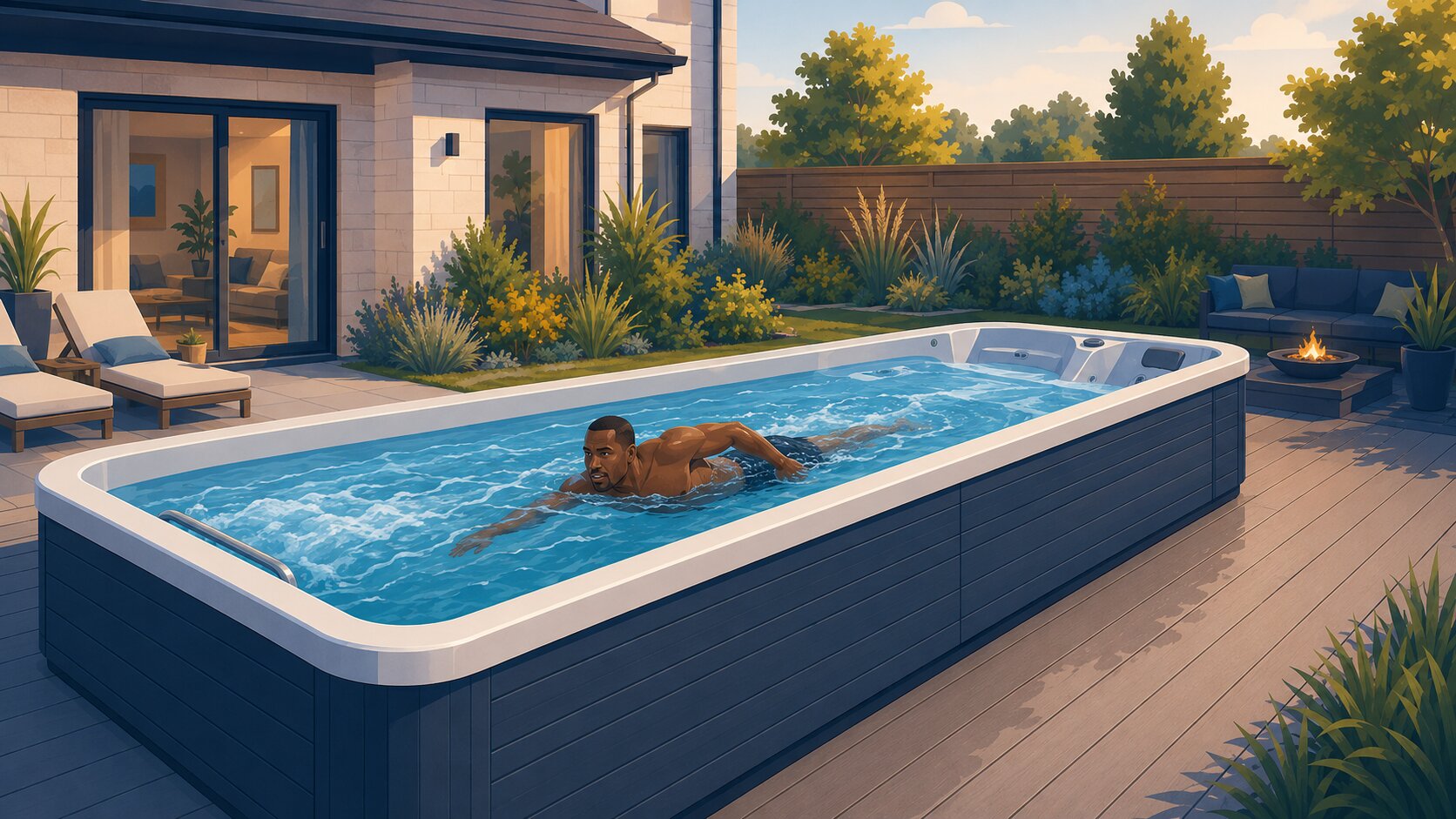
A swim spa sits between a swimming pool and a hot tub. It gives you a long area of heated water with a current to swim against, while built-in seats and hydrotherapy jets provide space to relax. The result is one self-contained unit that can support exercise, family time and recovery without needing the length of a conventional pool.
That simple description covers a surprisingly varied category. Some swim spas are compact and mainly designed for swimming, with a small seating area at one end. Others are much larger, with generous exercise space and a separate hot tub section that can run at a different temperature. Understanding those differences makes it much easier to decide whether a swim spa suits your garden and how you expect to use it.

What is a swim spa?
A swim spa is a large, insulated spa fitted with pumps that create a continuous stream of water. Instead of swimming from one end to the other and turning, you stay in roughly the same place and swim against the current. The strength of that current can usually be adjusted to suit different abilities and types of exercise.
Most swim spas also have moulded seats with massage jets. This is why they are often described as a cross between a pool and a hot tub, although the exact balance depends on the design. A shorter model may provide a practical exercise lane and a few seats, while a larger dual-zone model can feel more like two separate products joined together.
Unlike a traditional pool, a swim spa arrives as a complete manufactured unit. It still needs a suitable base, safe electrical supply, access for delivery and ongoing water care, but it does not normally require a full-size pool to be built in the garden.
How does a swim spa work?
The main feature is the swim system. Powerful pumps draw in water and send it back through one or more outlets at the swimming end. This creates a current that flows towards the swimmer.
There are different approaches to producing that current. Some systems use several jets, while others create a broader stream designed to feel smoother across the body. The important point is not simply the quoted power. A good swim experience also depends on how evenly the water moves, how much turbulence it creates and whether the speed can be controlled in useful steps.
The swimming position
The swimmer faces the current and adjusts their pace until they remain in a comfortable position. There is no wall to reach and no need to turn every few strokes. This makes continuous sessions possible in a relatively short space.
Beginners may start with a gentle setting or use a swim tether for extra stability. Stronger swimmers can increase the flow. People can also use the resistance for walking, jogging and low-impact aquatic exercises rather than conventional swimming.
Heating, filtration and water care
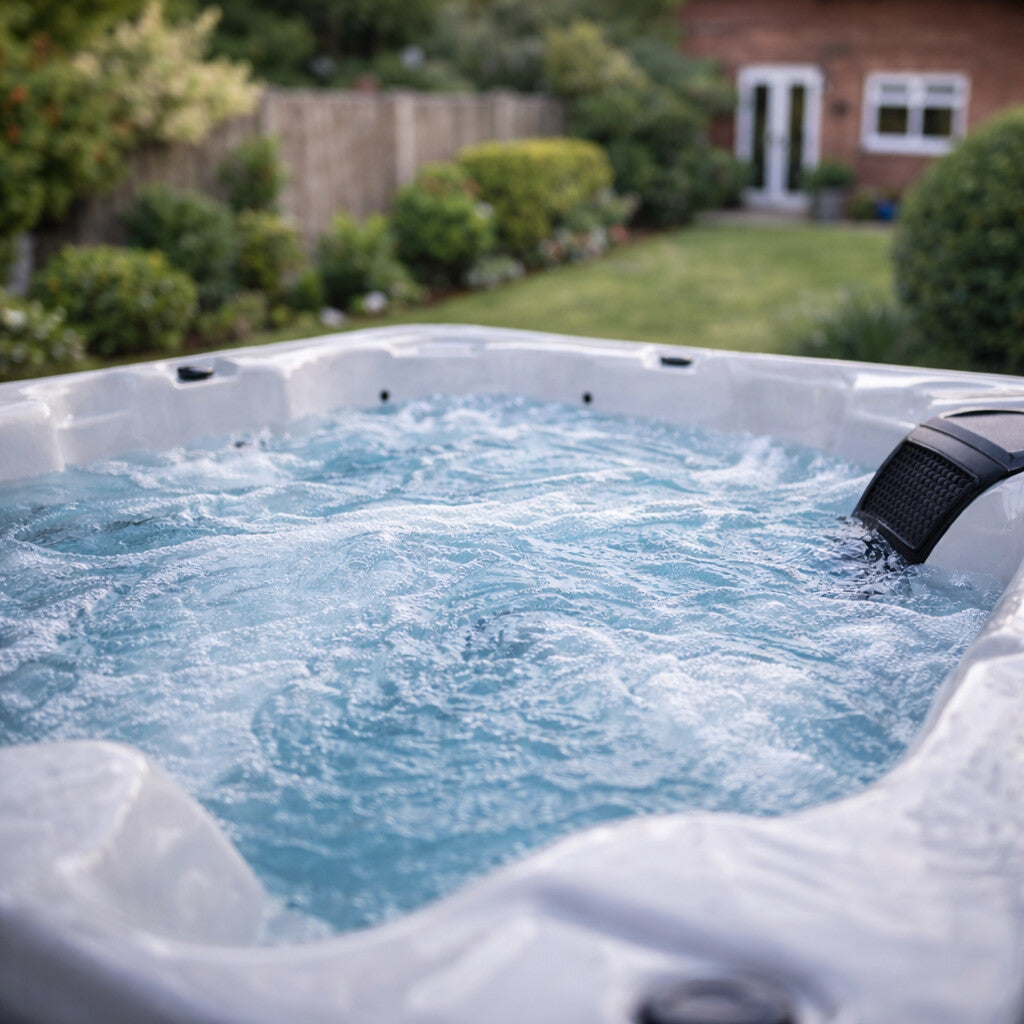
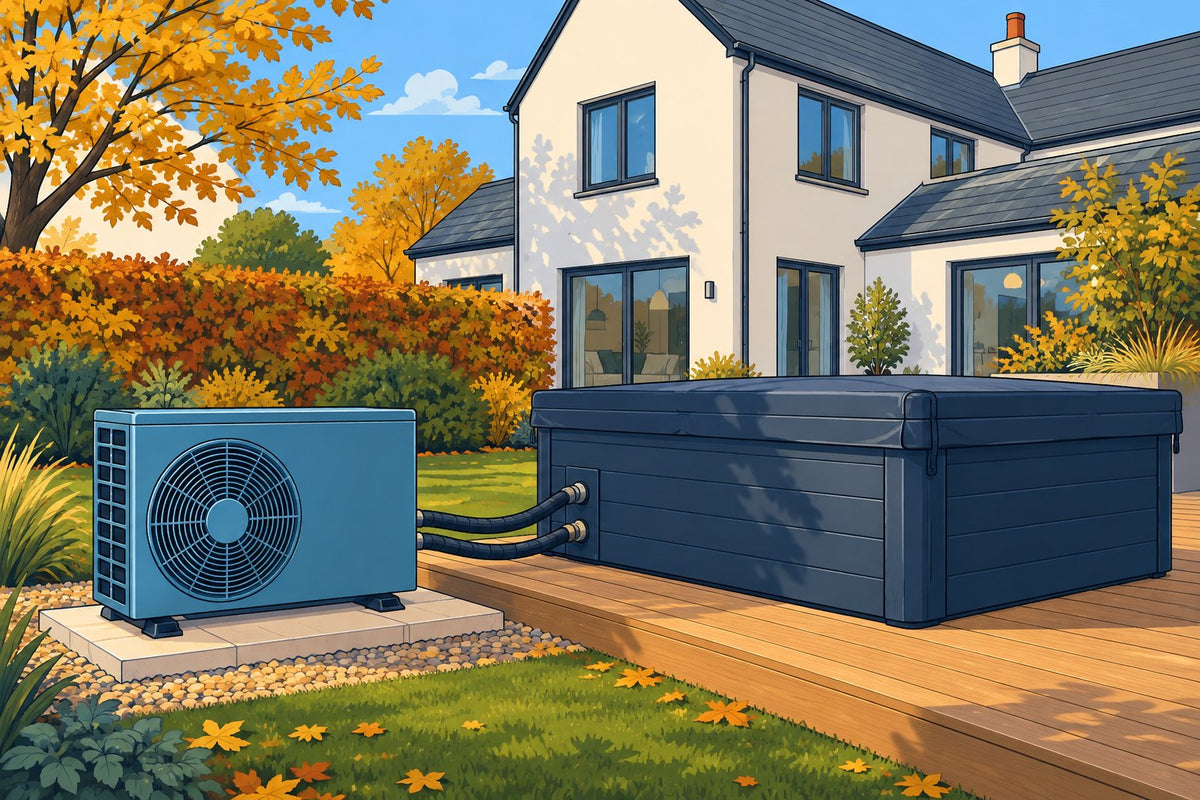
A swim spa circulates, filters and heats its water in a similar way to a hot tub. An insulated cabinet and fitted cover help retain heat when the spa is not being used. The chosen water temperature depends on the activity, the model and personal preference.
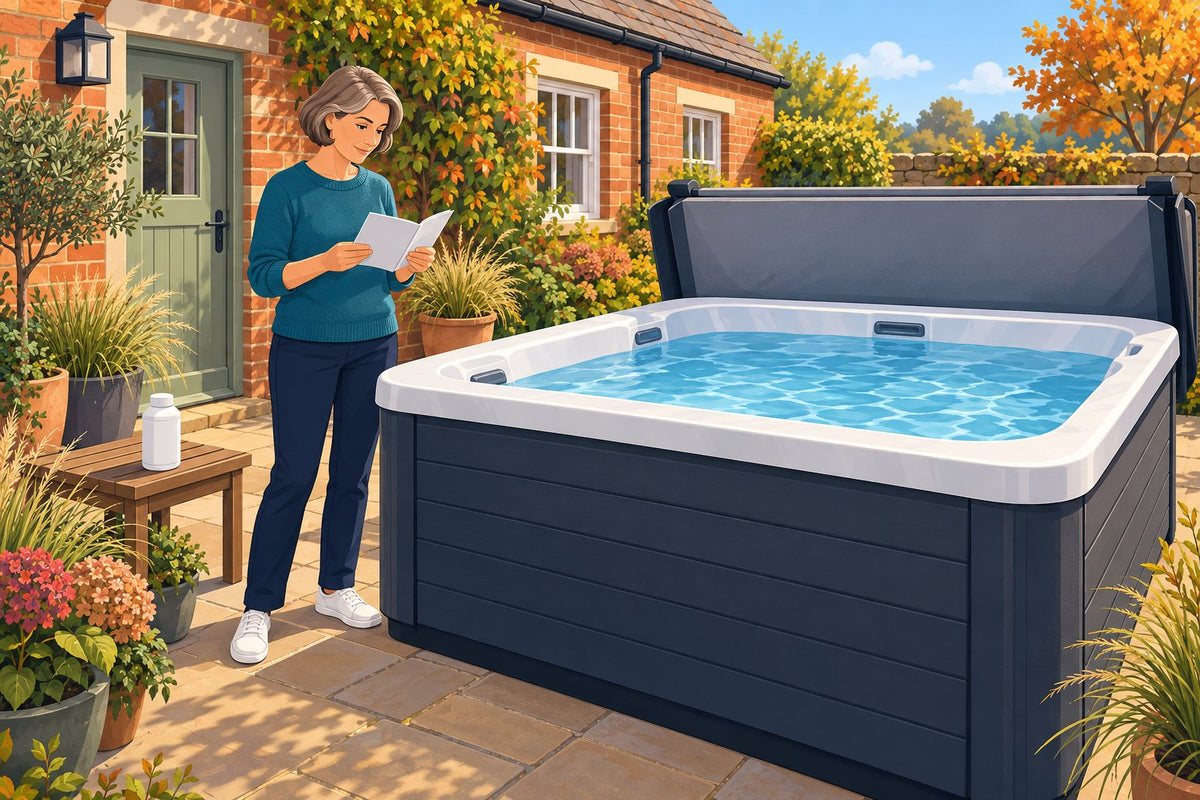
The water still needs regular testing and treatment. Its filters require cleaning, and the cover, shell and waterline need routine care. A swim spa contains more water than a typical hot tub, but it is not a fill-and-forget product.
Hydrotherapy seating
Most designs include at least a small seating area. Jets direct water towards common muscle groups, giving swimmers somewhere to rest after exercise. On larger models, the seating can be more substantial and may resemble the arrangement in a dedicated hot tub.

Why have swim spas become so popular?
Swim spas have become a familiar choice for homeowners who like the idea of swimming at home but do not have the space or appetite for a conventional pool. Their appeal comes from flexibility rather than any single feature.
- They use space efficiently. A swimmer can exercise continuously without a full-length lane because the water moves instead.
- They can be used through more of the year. Heated water, insulation and a fitted cover make them better suited to the British climate than an unheated outdoor pool.
- They have more than one purpose. The same unit can support swimming, gentle aquatic exercise, relaxation and family recreation.
- They are self-contained. The shell, pumps, filtration, heating and controls form one manufactured system.
- They suit different levels of activity. An adjustable current lets more than one person use the same swim space at a suitable pace.
They are still a substantial addition to a property. A swim spa is large, heavy when filled and likely to need specialist delivery. Its running needs are greater than those of a small hot tub. Popularity does not make careful planning any less important.
What are the different types of swim spa?
The broad idea remains the same, but size and layout change how a swim spa feels in everyday use. It helps to think about three main groups.
Compact swim spas with a small seating area
A compact swim spa is aimed at gardens where space matters. It normally has one open swimming area plus a small number of seats at one end. The swimming current and massage seats share the same body of water, so the entire spa runs at one temperature.
This format can work well for one person who wants regular exercise and occasional relaxation. It may also suit couples who value a swim function more than a large social seating area. The shorter shell is easier to place than a large dual-zone design, although the swimmer should still check that the usable water length and current suit their stroke.
Larger single-zone swim spas
A larger single-zone model provides more room between the swim outlet and the seating area. That extra length can make the exercise space feel less confined and can allow more generous seating.
Because it remains a single body of water, everyone uses the same temperature. This is simple and practical, but it requires compromise. A temperature that feels comfortable for steady swimming may feel cooler than someone expects from a hot tub, while very warm water may be less comfortable for energetic exercise.
Dual-zone swim spas with a hot tub end
A dual-zone swim spa has two physically separated bodies of water within one long cabinet. One end is built for swimming and exercise. The other is a dedicated hot tub area with its own seats and massage jets.
Each zone has independent temperature control, circulation and water treatment. This means the swim side can be kept at a temperature suited to exercise while the hot tub end is kept warmer for relaxation. One zone can be used without forcing the other to match it.
The separation is especially useful when different members of a household want different experiences. One person can swim while another relaxes in the hot tub end. The trade-off is size and complexity: dual-zone spas need more space, a carefully planned base and suitable access, and they have two water systems to maintain.
How is a swim spa different from a swimming pool?
A pool gives you distance. A swim spa gives you resistance. In a pool you travel through still water, reach the end and turn. In a swim spa the current travels towards you, allowing continuous swimming in a shorter shell.
A conventional pool may be better for several people swimming lengths, games that need a broad water area or anyone who wants a long uninterrupted lane. A swim spa is often better suited to focused exercise, controlled resistance and year-round heated use in a smaller footprint.
The installation is different too. A swim spa is delivered as a complete unit and can often sit above ground, partially recessed or fully recessed if the site has been designed correctly. A built pool is constructed as part of the property. Neither option should be treated as a simple garden accessory, but the work involved is not the same.
How is a swim spa different from a hot tub?
A hot tub is designed mainly around seated hydrotherapy and social relaxation. Its shell is shorter, and the seats occupy most of the water area. A swim spa has a long open section and a current strong enough for swimming or resistance exercise.
Many swim spas include massage seats, but a compact single-zone model will not necessarily provide the same seating variety as a full hot tub. A dual-zone model comes closest to giving both experiences because the separate hot tub end can be designed and heated specifically for relaxation.
If your priority is conversation, warm-water relaxation and massage seating, a hot tub may be the more natural fit. If regular swimming or water-based exercise is central to the decision, a swim spa deserves closer attention. You can view the H2O swim spa range to see how the dimensions and layouts vary.
What can you do in a swim spa?
Swimming is the obvious use, but it is not the only one. Depending on its layout and equipment, a swim spa can support:
- continuous front crawl, breaststroke or other swimming drills;
- walking or jogging against water resistance;
- gentle mobility and low-impact exercise;
- resistance-band or tethered exercises where suitable fittings are provided;
- cool-down time and massage after activity;
- relaxed family use under appropriate adult supervision.
A swim spa should not be treated as a substitute for professional medical advice or supervised rehabilitation. Anyone returning to exercise after illness or injury should follow guidance from an appropriate healthcare professional.
What should you consider before installing one?
The first question is not only whether the shell fits. Delivery crews need a clear route, or space for lifting equipment if the spa must pass over the house or other obstacles. Once filled, the unit and water are extremely heavy, so the base must be level, stable and designed for the load.
Plan for safe access around the spa, cover removal, drainage and future servicing. Recessing the cabinet can look attractive, but removable access panels still need to remain reachable. A changing area, non-slip route and somewhere to store the cover can make a large difference to everyday use.
The electrical supply must match the manufacturer’s specification and be installed by a suitably qualified electrician. Our guide to outdoor spa electrical supplies explains the basic principles, although the exact requirements for a swim spa must be confirmed before installation.
Planning permission is not automatically required in every case, but the answer depends on how and where the spa is installed, whether structures are being added and whether the property has special restrictions. Read our separate guide to planning permission for a swim spa in the UK before finalising the site.
Is a swim spa right for you?
A swim spa tends to suit people who expect to use the exercise function regularly and also value warm-water relaxation. It can make good use of a medium-sized garden, especially where a conventional pool would dominate the available space.
Before choosing one, be honest about the main purpose. A keen swimmer should pay close attention to current quality, usable swim length and adjustability. A household that prioritises social seating should compare the number and shape of seats. Anyone wanting hot-tub warmth and comfortable swim temperatures at the same time should consider whether a dual-zone layout justifies the additional size and maintenance.
It is also sensible to think beyond the day of installation. Consider energy use, water treatment, filter care, cover handling and the space an engineer will need for servicing. A well-chosen swim spa should suit both your favourite activity and the practical realities of your property.
Frequently asked questions about swim spas
Do you have to be a strong swimmer to use a swim spa?
No. The current can usually be reduced for beginners, gentle exercise or water walking. A swim tether may offer extra support where the design allows it. Users should always stay within their ability and follow the manufacturer’s safety guidance.
Can two people use a swim spa at once?
It depends on the activity and layout. One person will normally occupy the main swimming position. Another may be able to sit in the seating area, and a dual-zone model allows the hot tub end to be used separately. The stated capacity should never be exceeded.
Can a swim spa be used in winter?
A well-insulated swim spa is designed for heated use across the seasons, provided it is operated and maintained according to its instructions. Cold weather increases the importance of a sound cover, good insulation and correct water care.
Does a swim spa need to go into the ground?
No. Many are installed above ground on a suitable base. Partial or full recessing is possible in some projects, but drainage, ventilation and service access must be designed properly. The cabinet should never be boxed in so tightly that essential components cannot be reached.
Is a dual-zone swim spa always better?
Not necessarily. Independent temperatures and a dedicated hot tub end are valuable, but the unit is larger and there are two water systems to care for. A compact or single-zone model may be a better match when swimming space, garden size and simplicity matter more than simultaneous hot and cooler zones.
What is a swim spa? The simple answer
A swim spa is a self-contained pool and spa system that lets you swim against an adjustable current in a relatively compact space. Most models add hydrotherapy seating, while larger dual-zone designs provide a separate hot tub end with independent temperature control.
The right type depends on whether you want focused swimming, a balance of exercise and seating, or two distinct water experiences. If you are beginning that comparison, H2O Hot Tubs can help you understand the practical differences without reducing the choice to size alone.
Share: